

Iron Infusions During Pregnancy
Clinically guided IV iron treatment for patients in their second or third trimester with confirmed iron deficiency or iron-deficiency anemia.
When oral iron is not tolerated, has not been effective or may not replenish iron stores within the available time before delivery, IV iron may be recommended following an individualized medical assessment.

Evidence-informed pregnancy iron infusions overseen by highly skilled practitioners

Compassionate support for individuals navigating iron deficiency treatment in pregnancy

Safe, comfortable infusion appointments in calming environment

Personalized care based on your symptoms, history and laboratory results
Specialized Iron Care During Pregnancy
Iron deficiency can add another layer of exhaustion and uncertainty to pregnancy. At Atheria, we provide compassionate, clinically guided care designed to make assessment and treatment feel clear, comfortable and well supported.
Why Patients Choose Atheria
Pregnancy iron care guided by recent bloodwork and a comprehensive medical assessment
Treatment available for eligible patients in their second and third trimesters
Care provided by experienced Nurse Practitioners and registered nurses
Personalized dosing based on laboratory results, health history and stage of pregnancy
Calm, comfortable infusion appointments with clinical monitoring
Quick access to iron infusion care


IV Iron Therapy During Pregnancy: Is It Right for You?
Iron requirements increase during pregnancy as maternal blood volume expands and the pregnancy progresses. Although oral iron is generally the first treatment considered, some patients do not tolerate it well or do not experience an adequate response.
Symptoms such as fatigue, weakness, dizziness, shortness of breath, headaches and heart palpitations may occur with iron deficiency or anemia. However, these symptoms can have several possible causes during pregnancy. Bloodwork and an appropriate medical assessment are required before treatment can be recommended.
-
Bloodwork confirms iron deficiency or iron-deficiency anemia
Oral iron causes significant gastrointestinal side effect
Iron levels have not adequately improved following an appropriate trial of oral supplementation
A health condition affects the absorption of oral iron
There is insufficient time for oral iron to replenish iron stores before delivery
The severity of the deficiency or anemia requires a different treatment approach
A qualified healthcare provider determines that IV iron is clinically appropriate
-
A previous history of iron deficiency or iron-deficiency anemia
Low iron stores before pregnancy
Multiple pregnancy
Closely spaced pregnancies
Heavy menstrual bleeding before pregnancy
Vegetarian, vegan or other dietary patterns that may provide less readily absorbed iron
Celiac disease, inflammatory bowel disease or other conditions affecting nutrient absorption
Blood loss during pregnancy
Difficulty consistently taking or tolerating oral iron
Having one or more of these risk factors does not necessarily mean that you require an iron infusion. Treatment decisions must be based on your bloodwork, symptoms, health history, stage of pregnancy and overall clinical circumstances.
At Atheria, every pregnancy iron infusion begins with a medical consultation. Our Nurse Practitioner will review your recent bloodwork, symptoms, pregnancy history, current medications and supplements, and any relevant information from your prenatal care provider to determine whether treatment at Atheria is appropriate.
Treating Confirmed Iron Deficiency During Pregnancy
An iron infusion delivers iron directly into the bloodstream, bypassing the digestive system. This allows iron to be administered when oral treatment is not tolerated, has not produced an adequate response or is not considered the most appropriate option.
Correcting Iron Deficiency May Help:
Replenish depleted iron stores
Increase hemoglobin when iron-deficiency anemia is present
Improve fatigue associated with iron deficiency or anemia
Support normal oxygen transport throughout the body
Improve physical functioning when it has been affected by iron deficiency
Prepare for the increased iron demands associated with delivery and postpartum recovery
Individual responses vary. Not every symptom experienced during pregnancy is caused by iron deficiency, and an iron infusion cannot guarantee an improvement in energy or overall well-being. Follow-up bloodwork may be recommended to evaluate your response to treatment.

2,500+
Total infusions performed
98%
Client satisfaction score
60 years
Of combined clinical experience
200+
five-star reviews
Pricing


The amount of medication and number of infusion appointments required are determined by the prescription and individualized treatment plan.
Medication costs may be eligible for reimbursement through a private drug plan. Coverage varies by insurer and policy. We recommend contacting your insurer directly to confirm eligibility before treatment. Atheria provides a detailed receipt, which may be needed for claim submission.
If you have questions about consultation, medication or infusion fees, our team will explain the anticipated costs before treatment is scheduled.


Venofer® IV Iron Infusions During Pregnancy
Venofer® contains iron sucrose, an intravenous (IV) iron formulation used to treat iron deficiency when oral iron is ineffective, cannot be used or is otherwise clinically unsuitable.
Atheria commonly uses Venofer® for eligible pregnancy patients because iron sucrose has an established history of use in obstetric care. The decision to prescribe it must still be individualized, with the potential benefits and risks considered for each patient.
IV iron is generally avoided during the first trimester unless a specialist determines otherwise. At Atheria, pregnancy iron infusions are provided only during the second or third trimester following a medical assessment, and review of recent bloodwork.
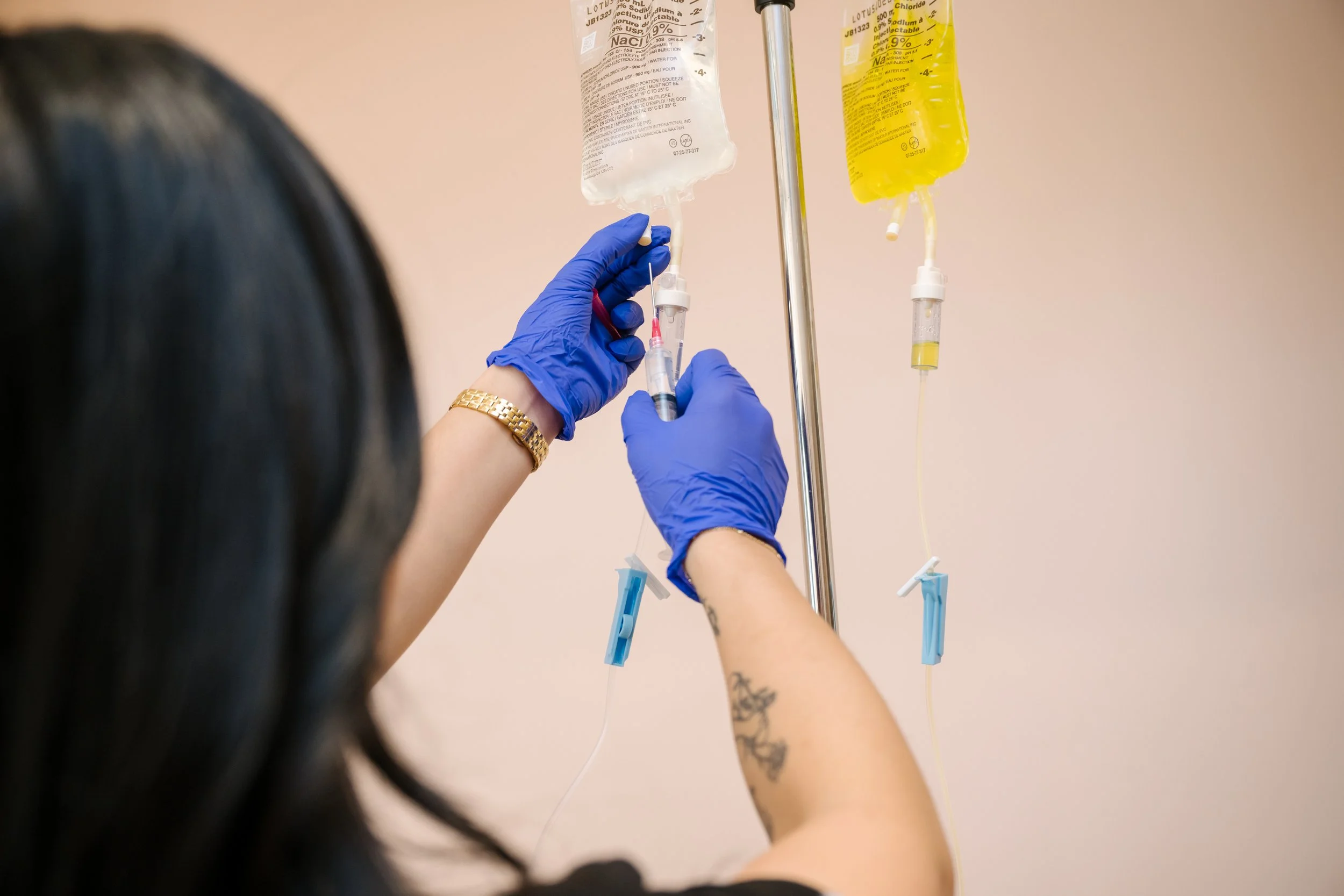
Every infusion is administered by an experienced registered nurse in a monitored clinical environment. Patients are observed during treatment and for the required period afterward. As with any intravenous iron product, adverse reactions can occur, including uncommon but potentially serious hypersensitivity reactions. Our clinical protocols are designed to identify and respond to these reactions promptly.
Venofer® And Monoferric®: Understanding The Difference
-
Venofer® contains iron sucrose. Monoferric® contains ferric derisomaltose.
-
Venofer® is commonly administered in a series of smaller doses. Monoferric® can allow a larger amount of iron to be administered in a single appointment, depending on the prescribed dose, body weight and clinical circumstances.
-
The available pregnancy information, product guidance and individual clinical circumstances must be considered before either formulation is prescribed. A longer history of obstetric use does not mean that a medication is free from risk or appropriate for every pregnancy.
-
Atheria’s medical team will determine whether treatment can appropriately be provided at the clinic and which prescribed formulation and schedule are suitable. This assessment may consider:
Gestational age
Hemoglobin and ferritin results
The calculated iron requirement
Severity of the deficiency or anemia
Previous response to oral or IV iron
Relevant medical and pregnancy history
Medication allergies or previous infusion reactions
The anticipated timing of delivery
Recommendations from the patient’s prenatal care provider
Patients with complex or high-risk pregnancies, severe anemia, significant symptoms or other medical concerns may be referred back to their obstetric or hospital-based care team for treatment.
What to Expect
Managing iron deficiency during pregnancy can feel overwhelming, particularly when you are already exhausted or preparing for delivery. Our team will guide you through each step so that you understand the recommended treatment, its potential benefits and risks, and what to expect during your appointment.

01
Initial Consultation
Meet virtually with an Atheria Nurse Practitioner to review your recent bloodwork, symptoms, gestational age, pregnancy and medical history, medications, supplements and previous experience with iron treatment.
Additional information or testing may be requested before a treatment decision is made. With your consent, our team may also communicate with your prenatal care provider when clarification or coordination is required.

02
Individualized Treatment Plan
If IV iron is considered appropriate, the Nurse Practitioner will determine the formulation, prescribed dose and number of appointments required based on your iron deficit and overall clinical picture.
The consultation does not guarantee that an iron infusion will be prescribed or provided at Atheria.

03
Infusion Appointment
Your infusion is administered by an experienced registered nurse in Atheria’s calm and comfortable clinical setting. Before treatment begins, the nurse will review your health status, and answer any questions.
You will be monitored throughout the infusion and for the required observation period afterward. Appointment length depends on the formulation, dose and monitoring requirements.
04
Follow-Up
Your provider may recommend follow-up bloodwork after treatment to assess your hemoglobin, iron stores and response. The timing of testing depends on your stage of pregnancy, treatment plan and anticipated delivery date.
You should continue routine prenatal care and follow the recommendations of your obstetrician, midwife, family physician or other prenatal care provider.
What Atheria Patients Are Saying
Every pregnancy and treatment experience is different. Our patients often tell us that feeling heard, informed and comfortable made a meaningful difference during their care at Atheria.
Testimonials describe individual experiences and do not guarantee that another patient will have the same treatment response or outcome.
FAQs
-
An iron infusion is a treatment that delivers iron directly into the bloodstream through an intravenous (IV) line. It may be prescribed when iron deficiency or iron-deficiency anemia has been confirmed and oral iron is ineffective, is not tolerated or is not considered appropriate.
-
Yes. Recent bloodwork is required before IV iron can be prescribed. This generally includes a complete blood count and ferritin level, although additional tests may be required depending on your results and medical history.
-
IV iron is used during pregnancy when clinically indicated, most commonly during the second and third trimesters. However, no medical treatment is entirely without risk, and IV iron is not appropriate for every patient.
At Atheria, treatment requires a review of recent bloodwork, an individualized medical assessment, informed consent and a prescription. Our clinical team considers the expected benefits, potential risks, gestational age and overall pregnancy history before proceeding.
-
Atheria does not routinely provide pregnancy iron infusions during the first trimester. If significant iron deficiency or anemia is identified early in pregnancy, you should discuss treatment with your prenatal care provider, who can determine the most appropriate course of care.
-
Oral iron is generally considered first-line treatment for iron deficiency during pregnancy. However, it can cause nausea, constipation, abdominal discomfort or other side effects. It may also be less effective when absorption is impaired or when iron stores must be replenished within a limited period before delivery.
IV iron may be considered when oral supplementation has not produced an adequate response, is not tolerated or is not appropriate for the patient’s clinical circumstances.
-
The number of infusions cannot be determined without reviewing your bloodwork and calculating your individual iron requirement. Depending on the formulation and prescribed dose, some patients may require a series of Venofer® infusions, while another treatment plan may differ.
-
Appointment length depends on the prescribed medication, dose, administration time and required observation period. Generally appointments are about 90 minutes - two hours.
-
Iron is an essential nutrient during pregnancy, and maintaining appropriate maternal iron levels is an important component of prenatal health. The purpose of an iron infusion is to treat confirmed maternal iron deficiency or iron-deficiency anemia when IV treatment is clinically appropriate.
Questions or concerns about fetal growth or development should be discussed with your prenatal care provider.
-
Coverage varies by provider and benefit plan. The medication may be eligible under some private drug plans, while the infusion service may be treated differently. Contact your insurer directly to confirm your coverage. Atheria provides a detailed receipt, which may be needed for claim submission.
-
You do not need a referral to book an Atheria consultation. However, treatment requires recent bloodwork, an assessment and a prescription (provided by Atheria). In some circumstances, we may also request information or recommendations from your obstetrician, midwife, family physician or other prenatal care provider.
-
Begin by booking a virtual pregnancy iron consultation through the Atheria website. During the consultation, our Nurse Practitioner will review your bloodwork, symptoms and pregnancy history and determine whether IV iron is appropriate.
If treatment is prescribed, our team will arrange the medication and infusion appointment.
-
The number of pregnancy iron infusions varies based on your individual iron levels, how your body responds to treatment, and how far along you are in your pregnancy. Most patients require 2-4 infusions spaced 1-2 weeks apart to achieve optimal iron and ferritin levels. During your consultation at Atheria Wellness, we'll create an individualized treatment plan tailored to your needs and schedule treatments that fit your pregnancy timeline.
-
Booking pregnancy iron infusion at Atheria Wellness is simple. Your doctor can refer you directly, or you can book a virtual consultation with our Nurse Practitioner through our website. During the consultation, we'll review your recent lab results, discuss your symptoms and pregnancy history, and create a personalized IV iron treatment plan. Once approved, you can schedule IV iron for pregnancy at our Toronto clinic at a time that works for you.
-
Your nurse will review your health status and explain the treatment before inserting the IV. You will be monitored throughout the infusion and during the required observation period afterward.
Please tell the team immediately if you feel unwell or experience any new or unusual symptoms during your appointment.
-
Yes, IV iron may be considered postpartum when bloodwork and an assessment confirm that it is appropriate. The treatment approach depends on the severity of the deficiency or anemia, symptoms, recent blood loss, medical stability and the time since delivery.
Patients with severe symptoms, significant postpartum bleeding or possible medical instability require urgent assessment through their maternity or hospital care team rather than treatment in an outpatient clinic.
-
Some IV iron formulations may be used while breastfeeding when clinically appropriate. Your practitioner will review the prescribed product, bloodwork, health history and individual circumstances before recommending treatment.
-
There is no single appropriate timeframe for every patient. Timing depends on your recovery, bloodwork, symptoms, recent blood loss and medical stability. Our team will determine whether outpatient treatment is suitable or whether assessment by your maternity or hospital care team is required.
-
Follow-up testing may be appropriate if you experienced iron deficiency during pregnancy, significant blood loss during delivery or persistent symptoms afterward. Your prenatal or primary care provider can help determine which tests are appropriate and when they should be completed.

Additional Nutrient Support During Pregnancy
Iron is only one part of prenatal health. Vitamin B12 and vitamin D also have important roles during pregnancy, and some patients may be at greater risk of deficiency because of dietary patterns, absorption conditions or other individual factors.
If bloodwork or your prenatal care provider identifies a possible deficiency, Atheria’s medical team can review your results and help you understand the appropriate next step. Testing and treatment recommendations should be individualized and coordinated with your prenatal care.
Vitamin B12
Vitamin B12 supports normal red blood cell formation and neurological function. Patients following vegetarian or vegan diets, as well as those with certain digestive conditions or a history of bariatric surgery, may have a greater risk of deficiency.
When a deficiency has been identified, the appropriate form and dose of vitamin B12 should be determined by a qualified healthcare provider.
Vitamin D
Vitamin D supports maternal bone health and normal fetal skeletal development. Individual needs may vary based on dietary intake, sun exposure, health history and laboratory results.
High-dose vitamin D treatment should only be considered following an appropriate clinical assessment. Our team can review your results and discuss whether further testing, oral supplementation or care through your prenatal provider is the most appropriate option.
B12 and vitamin D services are not automatically recommended as part of pregnancy iron treatment. Suitability must be determined individually, and additional testing or input from your prenatal care provider may be required.
Support for Low Iron During Pregnancy
If you have been told that your iron or hemoglobin is low—or you continue to experience symptoms despite oral supplementation—you do not have to navigate the next step alone.
Book a virtual consultation with Atheria’s medical team to review your bloodwork, pregnancy history and treatment options in a supportive, clinically guided setting.
Explore More
Learn More About Iron Health During Pregnancy and Postpartum


More services to help add life to your years.